

Important Basics to Know About Sewer Line Repair
Sewer line repair to fix a leaking or damaged sewer line is a critical aspect of maintenance that homeowners should not overlook. Knowing the essentials can help individuals identify potential problems and seek timely solutions. If homeowners suspect any issues with sewer lines, reaching out to a plumber promptly can mitigate further complications and costs.
What Signs Indicate Sewer Line Repair Is Needed?
 Identifying sewer line issues early can prevent extensive damage and costly repairs. Homeowners should look for several key signs that suggest sewer line repair might be necessary:
- Slow Draining: When water takes longer than usual to drain from sinks, bathtubs, or other fixtures, it could indicate a blockage or sewer line damage requiring repair. Persistent slow drainage issues usually necessitate a professional’s intervention to check for underlying problems.
- Backups from Drains or Toilets: Frequent sewage backups in drains or toilets suggest a serious problem within the sewer line. These backups occur when there are obstructions in the pipes preventing wastewater from passing through, indicative of a need for immediate repair.
- Bad Smell of Sewage: A persistent sewage odor from drains often signals a sewer line leak. These unpleasant smells occur when gases escape due to cracks or breaks in the sewer line, highlighting the necessity for repair.
- Gurgling Sounds from Drains: Unusual gurgling sounds when using water fixtures can indicate trapped air in the sewer line from blockages or damage. If not addressed, this sign often precedes more significant issues, such as backups.
- Unexplained Areas of Growth in the Yard: Abnormally lush or green patches in the yard may indicate a sewer line leak that is saturating the soil with nutrient-rich wastewater. Spotting uneven growth patterns outside can be an early indicator of a deeper issue.
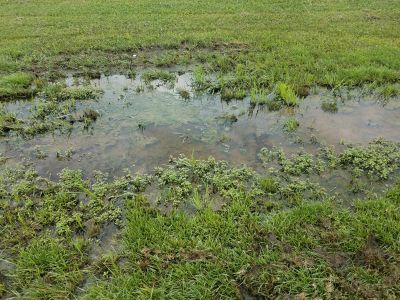
- Unexplained Puddles or Soggy Areas in the Yard: Puddles or soggy spots that persist without heavy rain suggest a leakage from the sewer line underground. This water may surface when the leak is large enough, necessitating immediate repair.
Noticing these symptoms early and seeking professional sewer line repair can prevent further damage and protect the integrity of the plumbing system.
What Causes Sewer Line Damage?
 Understanding the root causes of sewer line damage can help take preventive measures to protect the property’s plumbing. Here are common contributors:
- Shifting Soil: Natural events such as heavy rain or seasonal changes can cause soil to shift, putting stress on sewer lines and leading to cracks or misalignment. Regular monitoring of ground conditions can help mitigate this risk.
- Tree Roots: Trees and shrubs can seriously threaten sewer lines as their roots naturally seek moisture and penetrate pipe joints, leading to blockages or ruptures. Proactive landscaping and regular inspections can help prevent root intrusion.
- Age and Corrosion: Over time, sewer lines are prone to wear and corrosion, especially if they are composed of older pipe materials. Regular inspections and timely replacements can help manage the inevitable decay of aging infrastructure.
- Clogs and Blockages: Improper disposal of items like wipes, fats, oils, or grease can cause substantial blockages within the sewer line. Ensuring proper waste disposal can prevent these clogs and maintain healthy sewer lines.
Understanding these causes aids in preventive maintenance and can help homeowners avoid emergencies that require immediate sewer line repair.
How Is Sewer Line Repair Done?
Professional sewer line repair is a nuanced process that involves several key steps to ensure effective resolution and minimal disruption:
- Sewer Video Inspection: A critical first step in diagnosing sewer line issues is a sewer camera inspection. Using a sewer video inspection, professionals can accurately assess the internal condition of the sewer lines to identify any damage or leaks and determine their severity.
- Trenchless Sewer Repair: For some issues, trenchless sewer line repair may be a viable option. This method involves minimal digging and utilizes advanced techniques such as pipe lining or pipe bursting to repair or replace the affected sections efficiently, maintaining the integrity of the yard and minimizing disruption.
- Traditional Sewer Line Repair or Replacement: In cases of significant damage, traditional excavation might be necessary. This involves digging up the affected area to access the damaged section of the sewer line. Although more invasive, this method allows for the removal and replacement of severely damaged sections, ensuring long-term structural integrity.
Selecting the appropriate method depends on the unique circumstances of the damage. Consulting with a professional can help determine the best approach, ensuring effective repair and minimal disruption to the property.
About The Plumbers Guild
The Plumbers Guild is a locally owned and operated plumbing company with over ten years of experience. Their highly skilled technicians are certified and equipped with the latest plumbing technology in the field. Call them for sewer line repair in Atlanta, GA.


 One of the earliest and most obvious signs of a sewer line clog is a gurgling noise from a home’s drains, toilets, or pipes. This sound indicates trapped air struggling to escape as water moves through a partially blocked pipe.
 Sinks, tubs, or showers that drain slowly or stand still for a while before draining are common signs of a clogged sewer line or drains. Slow draining occurs when a blockage prevents wastewater from flowing freely, causing water to drain more slowly than normal.
